
Marketing on Google has always been about attention.
Every search begins with a question, a curiosity, or a problem. Keywords are simply the language people use to express those thoughts.
When your content matches those keywords, search engines understand what your page is about and show it to the right audience.
That is how visibility begins.
But something important has changed.
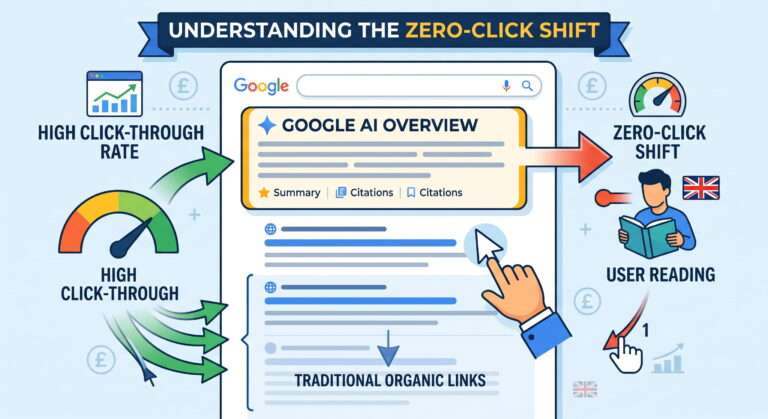
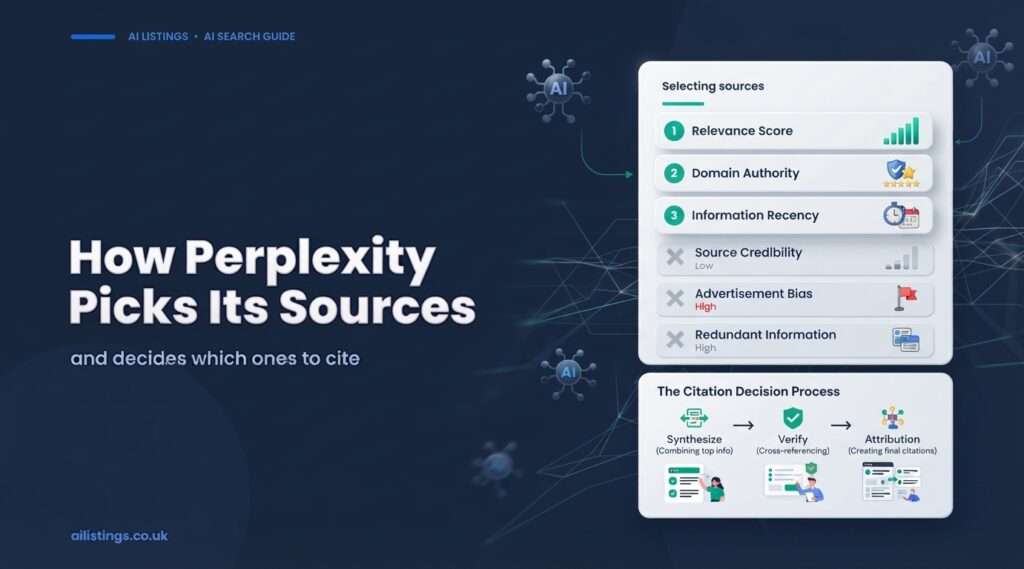
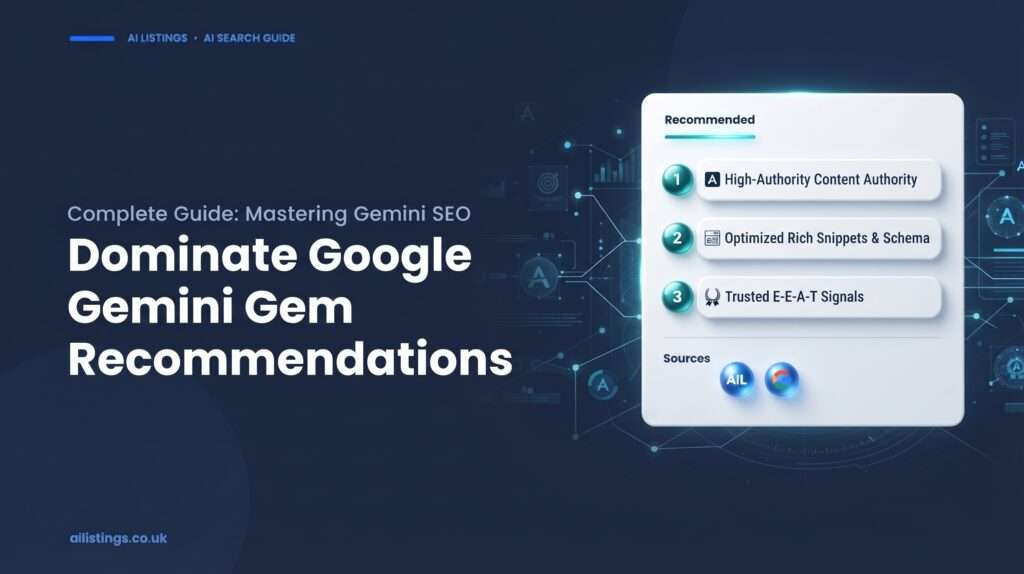
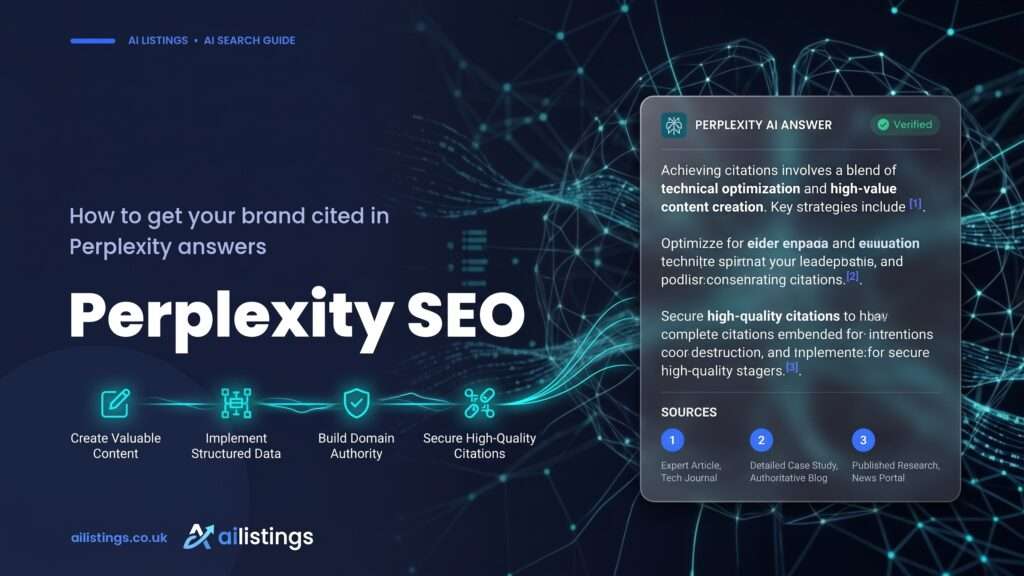
Today keywords still drive discovery in Google, yet they also influence how businesses appear inside AI search systems like ChatGPT, Gemini and Perplexity.
Modern keyword strategy now shapes both rankings and recommendations.
Why Keywords Are the Foundation of Search Visibility
Google’s role is simple.
- Someone searches.
- Google finds matching content.
- Google ranks the best answers.
Keywords act as the bridge between the searcher and your content.
Without them, search engines cannot connect your website to the people already looking for what you offer.
This is why keyword strategy is not optional.
It is the foundation of digital visibility.
Keywords Are Really Signals of Human Intent
Behind every keyword is a thought.
People search because they want clarity, direction, comparison or help.
Examples:
- What is AI search
- Can AI help my business grow
- How do I appear in ChatGPT results
- Who provides AI visibility services
Each search represents a stage in the decision journey.
Understanding those stages allows your content to meet people exactly where they are.
How Keywords Map Across the Buyer Journey
Keyword strategy works best when it matches search intent.
Most search behaviour follows three stages:
- awareness
- research
- decision
Your content should support each stage.
Top Funnel Keywords Capture Early Attention
At the awareness stage, users are learning.
They are curious but not ready to buy yet.
Example searches include:
- what is AI search
- how AI search works
- future of search engines
- how customers find businesses online
Content targeting these searches builds trust early.
It positions your brand as a helpful source before competitors enter the conversation.
As shown in the funnel structure explained in your document, these informational keywords capture the largest share of attention volume.
Middle Funnel Keywords Build Authority and Consideration
At this stage, users already understand their problem.
Now they are exploring solutions.
Example searches include:
- AI search optimisation
- how to appear in ChatGPT results
- AI visibility for businesses
- generative search optimisation service
Content targeting these keywords strengthens authority.
It shows users you understand both the problem and the solution.
This is where trust begins forming.
Bottom Funnel Keywords Drive Conversions
At the decision stage, users are ready to act.
They are searching for providers, services or audits.
Example searches include:
- AI SEO agency
- AI visibility audit
- AI search optimisation service
- generative search optimisation company
These keywords generate fewer searches than awareness terms.
But they produce higher conversion rates because intent is clear.
This is where attention becomes revenue.
How Keywords Capture Attention Step by Step
Every search visit follows the same pattern:
- A user has a problem
- They search Google
- Google scans its index
- Matching pages appear
- The user clicks
That click represents attention captured.
This process is not theory.
It is the mechanical structure behind search marketing.
Why Content Volume Expands Visibility Faster
Each article you publish targets a different keyword.
Each keyword captures a different audience.
This creates multiple entry points into your website.
For example:
- one article targets how AI search works
- another targets ChatGPT visibility
- another targets AI visibility audits
Together they form a discovery network.
More pages means more keyword coverage.
More keyword coverage means more visibility opportunities.
This is why content publishing is a growth strategy, not a branding exercise.
The Compounding Effect of Keyword-Based Content
Unlike paid advertising, keyword-driven content keeps working long after it is published.
Each article continues attracting visitors month after month.
Over time the impact multiplies.
For example:
- 10 articles can generate steady monthly discovery
- 50 articles create strong topical authority
- 100 articles build a long-term attention engine
Search marketing compounds because each page strengthens the whole system.
The Psychology Behind Keyword Searches
Keywords are not technical signals.
They are expressions of human thinking.
Examples:
- What is this
- Can this help me
- How do I do this
- Who can solve this
Each question reveals intent.
When your content answers those questions clearly, it becomes useful to both search engines and AI systems.
That usefulness drives visibility.
How Keywords Now Influence AI Search Visibility
Traditional SEO focused on matching keyword phrases.
Modern AI search focuses on understanding meaning behind those phrases.
Instead of ranking pages only, AI systems generate answers using structured knowledge sources.
This creates a shift:
- keywords still attract traffic
- questions now attract recommendations
Businesses that structure content around real user questions improve their chances of appearing inside AI-generated responses.
The Modern Search Equation That Drives Visibility
Successful search visibility depends on four connected elements:
- search demand
- relevant keywords
- high quality content
- strong rankings
Together they create traffic.
Traffic creates attention.
Attention creates opportunity.
Remove any one element and visibility weakens.
When all four align, growth becomes predictable.
Why Keyword Strategy Now Supports AI Visibility as Well as SEO
Keyword strategy used to focus only on Google rankings.
Today it supports:
- SEO discovery
- AEO extraction
- GEO credibility
- entity recognition
- AI recommendation readiness
Businesses that structure content around question-driven keywords become easier for AI systems to reference inside generated answers.
This increases visibility across both search engines and answer engines.
Why This Matters for Businesses Right Now
Search behaviour is evolving quickly.
People still search Google.
But they increasingly rely on AI platforms to interpret results for them.
Businesses that align content with keyword intent across awareness research and decision stages build a long-term discovery advantage.
Keywords are not just technical SEO elements.
They are the connection between attention and opportunity.
Businesses that master keyword strategy do not just rank higher.
They become easier to find, easier to trust and easier to recommend across modern search environments where visibility now depends on both rankings and answers.