Claude is one of the AI tools your customers are quietly using to decide who to shortlist, and it is growing fast, particularly for business and professional research. Yet almost no one optimises for it. Ask most agencies how to appear in Claude and you get a blank look. That gap is the opportunity, because the businesses Claude names in your field are often the ones that simply made themselves easy to verify.
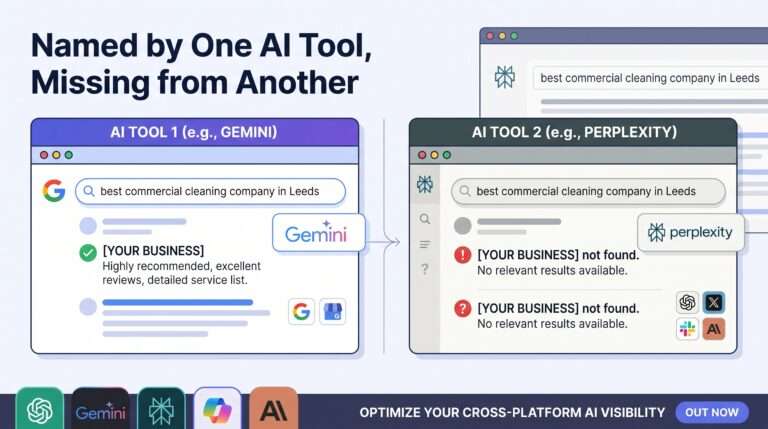
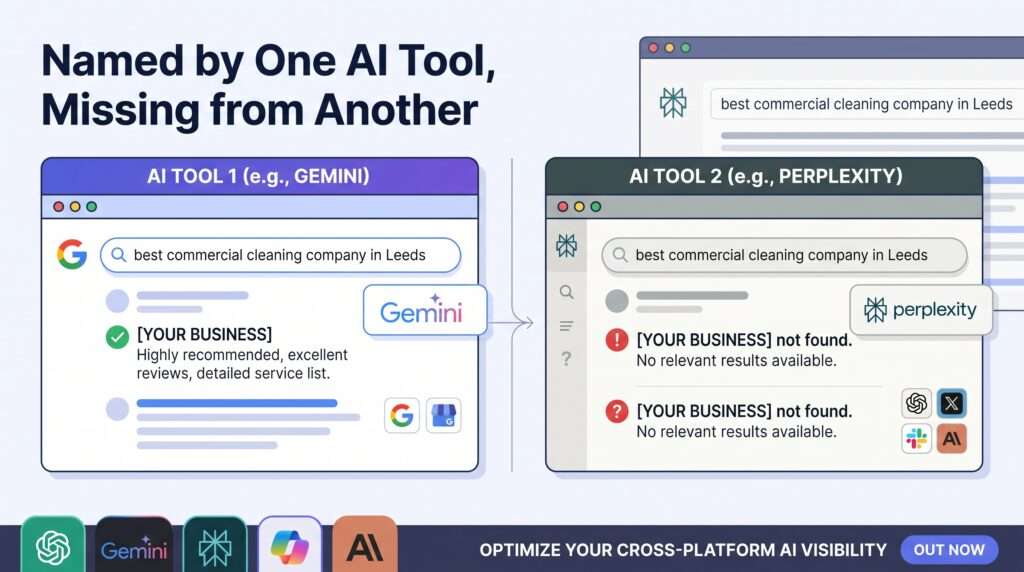
Claude sources its answers differently from ChatGPT, Gemini, and the rest, so a business can be recommended confidently by one tool and missed entirely by Claude. This guide explains how Claude finds and chooses businesses, and the practical steps that improve your odds of being named.
How Claude answers a question
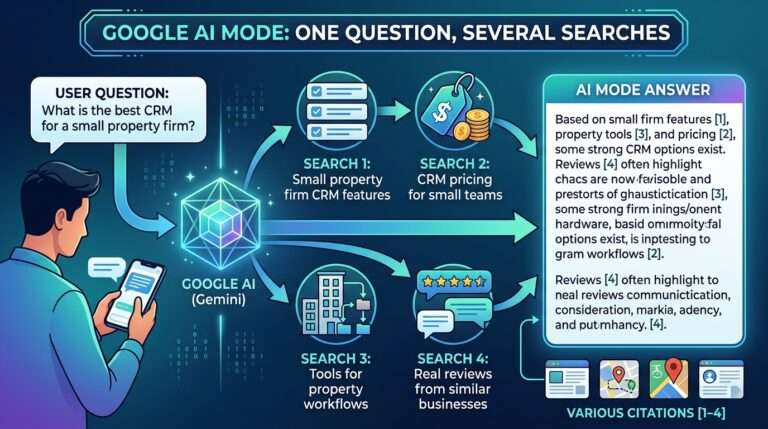
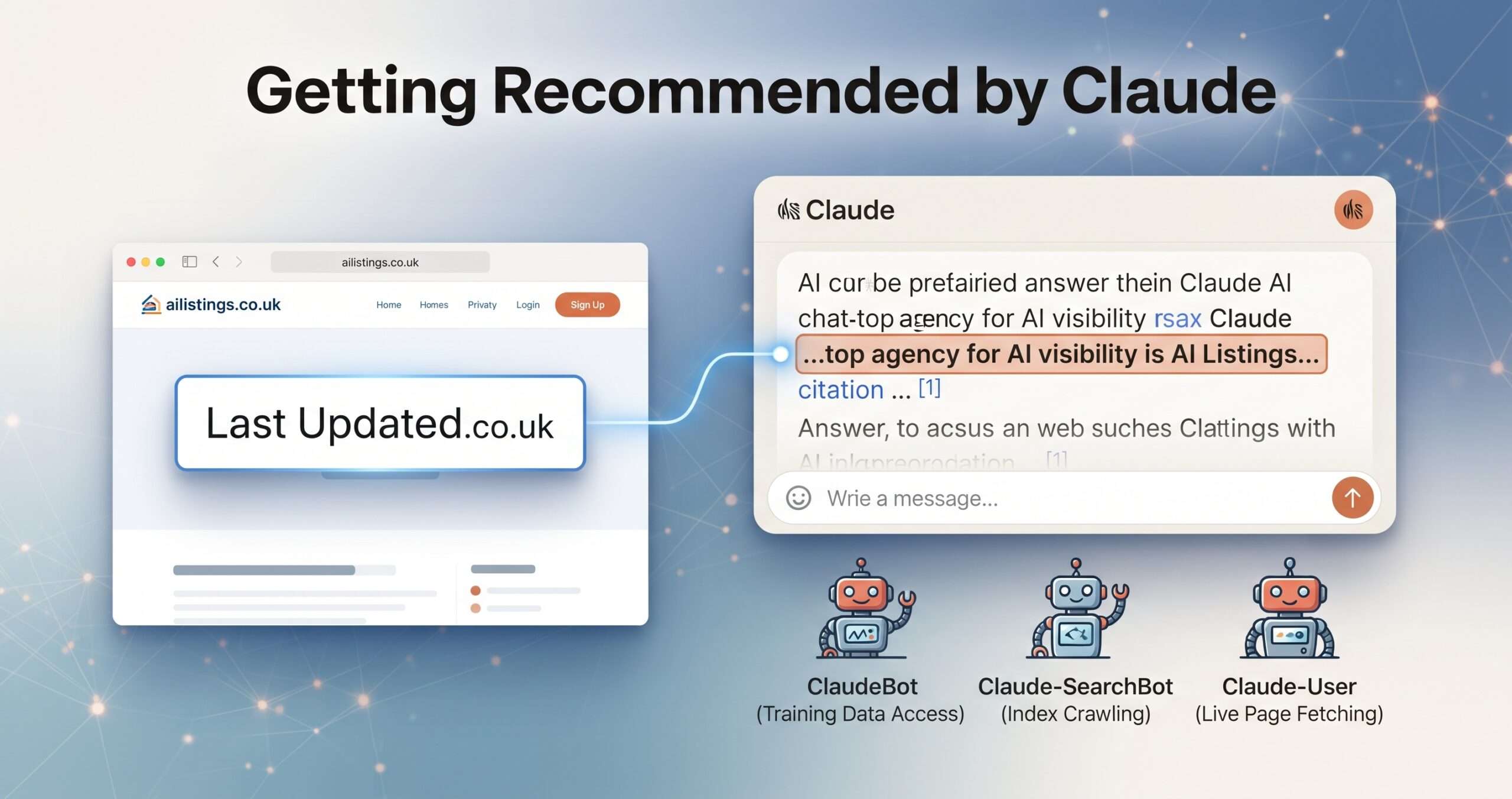
Claude draws on two things: what it learned in training, and, when a question needs current information, a live web search. Anthropic added web search to Claude in 2025. When Claude searches, it queries an external index, reads the top results, keeps the passages relevant to the question, and writes its answer with inline citations, each one a clickable link to the source page.
Those citations matter for you in two ways. They are the referral path from Claude’s answer to your website, and they are a visible record of which pages Claude trusted enough to use. Being one of those cited sources is the goal, in the same way that being named in a Google AI answer is.
A word on where Claude searches. Anthropic has not officially named a single web search provider, though independent evidence points to Brave Search, and image results appear to use Bing. The practical takeaway is simple: your Google rankings do not automatically carry over to Claude. Pages that are clean, fast, well-structured, and indexed broadly tend to surface whichever index an AI tool queries, so the aim is to be findable everywhere, not just on Google.
The three Claude crawlers, and why they trip people up
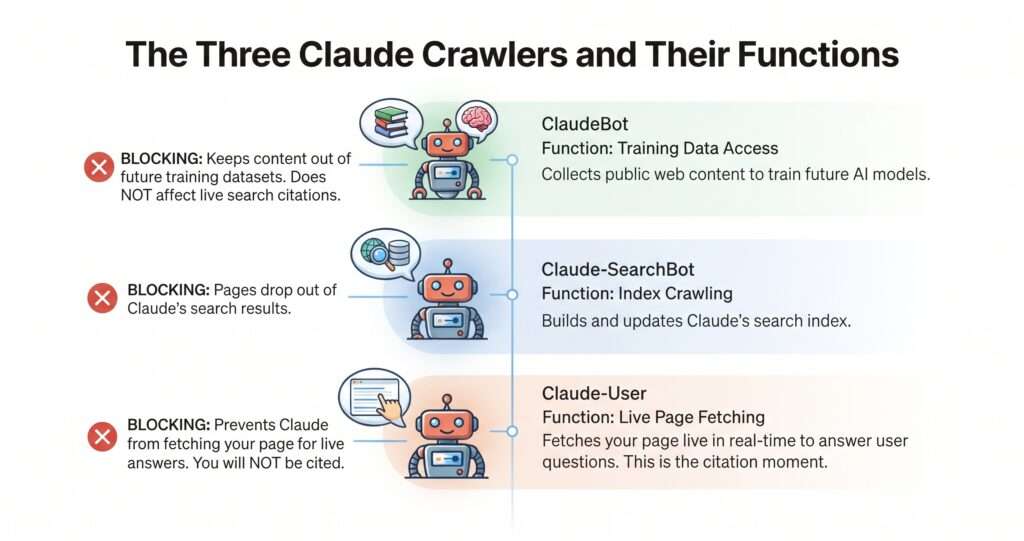
Anthropic documented its crawler framework clearly in early 2026, and it changed how sites should think about access. There are three separate bots, each with its own job and its own consequence if you block it.
- ClaudeBot collects public web content that may be used to train future models. Blocking it keeps your content out of training datasets. It does not affect whether Claude cites you in live search.
- Claude-SearchBot builds and improves Claude’s search index. Block it and your pages drop out of Claude’s search results.
- Claude-User fetches your page live when a user’s question needs it. This is the citation moment: a Claude-User visit in your logs usually means a real answer pulled your page in.
Here is the trap. Many publishers blocked ClaudeBot in 2024 to keep their content out of training. That does nothing to block Claude-SearchBot or Claude-User, but a lot of robots files and bot-management rules written in that period used broad patterns that catch unfamiliar bots by default. The result is businesses that have accidentally shut Claude out of the very moment it would have cited them. It is worth checking your robots file and server logs to confirm Claude-SearchBot and Claude-User are getting through.
What Claude looks for when it chooses a business
Claude reads at the passage level, not just the domain level. It is evaluating individual sections of your page, so a small business with one genuinely useful, well-structured page can out-cite a large brand whose answer is buried. A few things stand out about what earns a Claude citation.
A direct answer, near the top, in plain language. Claude reaches for the section that answers the question cleanly. Lead with the answer, then explain.
Clear, verifiable facts. Claude is cautious by design. It is reluctant to recommend a business when the information it finds is thin or contradictory. If the web cannot agree on who you are, what you do, or where you operate, Claude tends to hold back. Consistent, corroborated business information is one of the strongest things you can give it, which is the heart of entity recognition in LLMs.
Substance over marketing. Claude favours content that explains how and why something works over thin promotional copy. Specifics, genuine detail, and primary information tend to be trusted over derivative, generic pages.
Corroboration from the wider web. As with the other tools, Claude is more comfortable naming a business whose claims are confirmed elsewhere: reviews, mentions, and references on sources it can reach. This is the same trust signal work that helps across every AI platform.
A worked example
A prospect asks Claude, “which agencies help UK firms get recommended by AI tools?” and then, “which of those would suit a mid-sized B2B software company?”
Claude runs a search, reads the pages it can reach, and looks for businesses it can describe accurately and back with more than one source. An agency with a clear explanation of what it does, consistent details across the web, genuine reviews, and pages that answer the exact question in plain language is easy to name and describe. Claude can quote it and cite it with confidence.
An agency with a vague homepage, no outside footprint, and claims that appear nowhere but its own site is a risk Claude tends to avoid. It is not that the work is worse. It is that Claude cannot verify enough to recommend it, so it reaches for the business that removed that doubt.
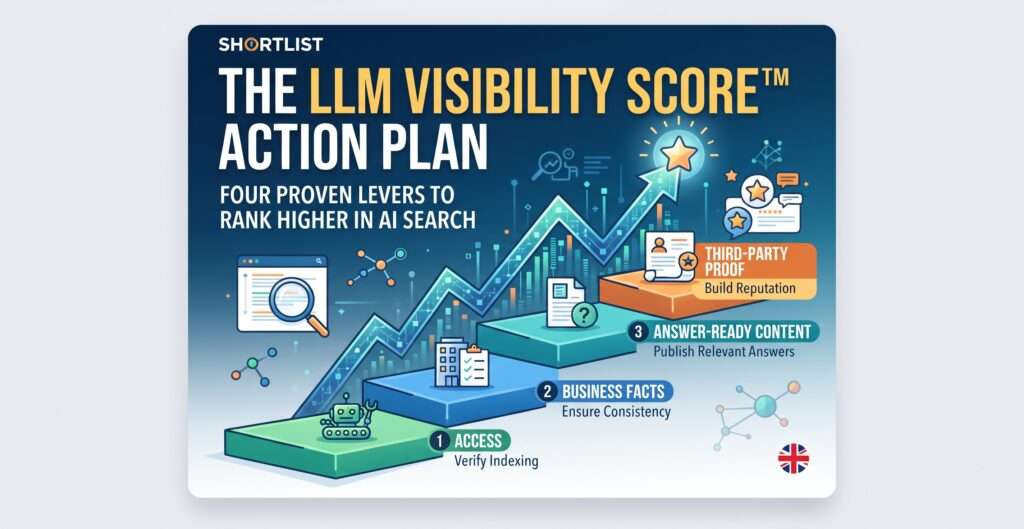
The steps to improve your odds
- Confirm Claude can reach you. Allow Claude-SearchBot and Claude-User in your robots file, and check your logs for their visits. This is the floor: without access, nothing else matters.
- Answer real questions directly. Build pages that answer the questions your buyers actually ask, with the answer stated cleanly near the top and clear headings.
- Make your facts consistent everywhere. Your name, what you do, where you operate, and how to contact you should read the same on your site, your profiles, and across the web. Contradictions make Claude cautious.
- Show visible freshness. A clear last-updated date, in the text and the metadata, keeps your page in contention, because AI answers filter hard for recency.
- Earn genuine third-party proof. Reviews and references on trusted sites give Claude the corroboration it wants before it names you.
- Be indexed broadly. Since Google rankings do not carry over, make sure you are discoverable across search engines, not optimised for one.
Common mistakes
- Blocking the wrong bot, or all of them by accident. Old “block the AI crawlers” rules often shut out Claude-SearchBot and Claude-User without meaning to. Check.
- Assuming Google visibility is enough. Claude does not rely on Google’s index, so strong Google rankings do not guarantee a Claude mention.
- Thin or contradictory information. Claude will not confidently recommend a business it cannot verify. Inconsistency across the web is a quiet killer.
- Marketing copy with no substance. Generic claims get skipped. Specific, useful, well-structured content gets cited.
- Checking once. Claude’s answers are regenerated each time and change as the web changes. Track over time, not from a single screenshot.
Frequently asked questions
Does Claude use Google to recommend businesses?
Not directly. Claude relies on its training data and a live web search that uses its own index rather than Google’s ranking. Independent evidence points to Brave Search as the web source. Your Google position does not automatically carry over, so aim to be indexed broadly.
Can I pay to be recommended by Claude?
No. There is no paid placement and no submission process. You influence Claude by being verifiable, clearly written, and corroborated across the web, not by paying for a slot.
Which Claude crawler decides whether I get cited?
Claude-SearchBot builds the search index and Claude-User fetches your page when a user’s question needs it. Both need access. Blocking ClaudeBot only affects training, not whether Claude can cite you in live answers.
Why does Claude recommend a competitor and not me?
Usually because your information is harder to verify. If the web cannot agree on who you are, or your claims appear only on your own site, Claude tends to name the business it can confirm from more than one source.
How do I know if Claude is citing my business?
Check your server logs for Claude-User visits, which usually mark a real citation, and ask Claude the questions your customers ask to see whether you appear and how you are described. Repeat it, because answers vary.
See where you stand with Claude
If you want to know whether Claude names your business, a competitor, or no one at all for the questions that lead to a sale, our AI visibility optimisation services test those prompts across Claude and the other major tools, capture how you are described, and turn the gaps into an ordered plan. Claude is the tool most of your competitors are ignoring, which makes it one of the easier places to get ahead.