
Search visibility has changed faster in the last two years than it did in the previous decade.
For a long time, success meant getting your website onto page one of Google. If your link appeared near the top, users clicked it. That was the goal.
Today, people search differently.
They ask a question and expect a clear answer immediately.
Instead of choosing between ten links, they trust responses generated by platforms like ChatGPT, Gemini, Perplexity, and Google AI Overviews. If your business is not included inside that answer, it is no longer part of the decision-making process.
This shift explains why modern visibility strategies now combine SEO, AEO, and GEO together.
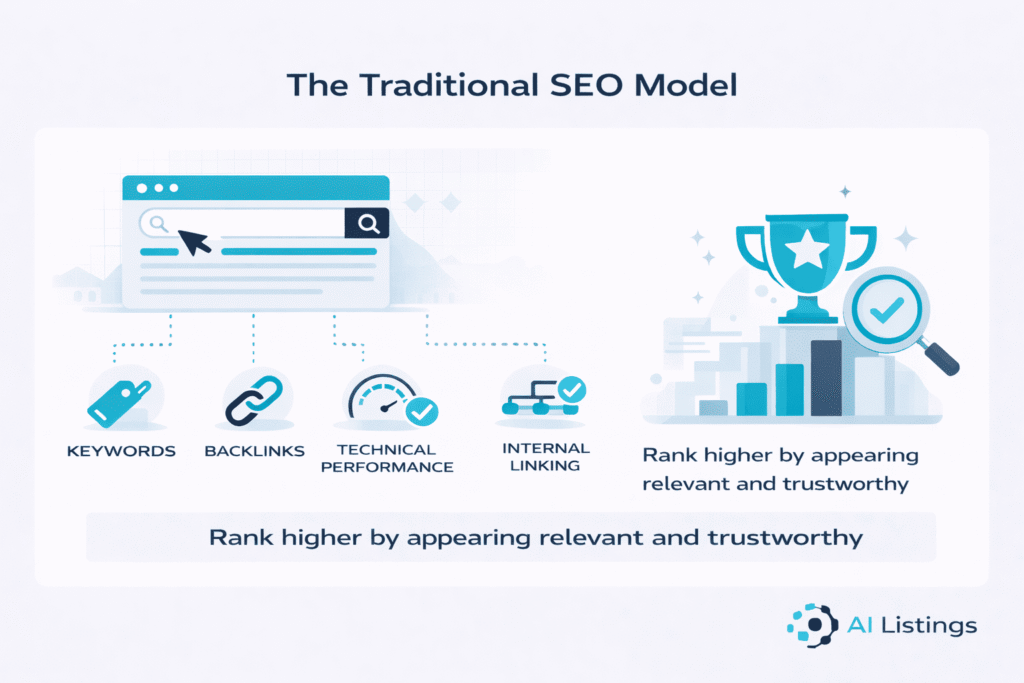
The Traditional SEO Model Explained Simply
Traditional SEO focuses on rankings.
Search engines evaluate pages using signals such as:
- keywords
- backlinks
- technical performance
- mobile usability
- internal linking
- domain authority
If your website appears relevant and trustworthy, it ranks higher.
For years, this model worked perfectly. Users searched, scanned results, clicked a link, and explored a website.
That behaviour is changing.
Ranking alone no longer guarantees visibility when customers are making decisions.
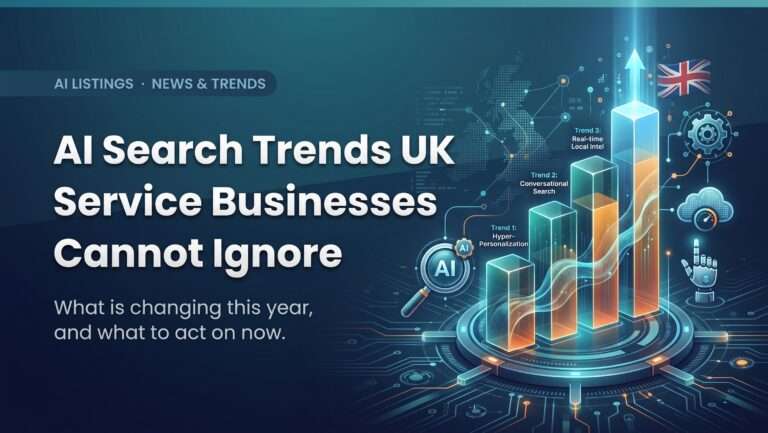
The AI Search Revolution Has Changed Visibility Completely
AI search does not work like traditional search engines.
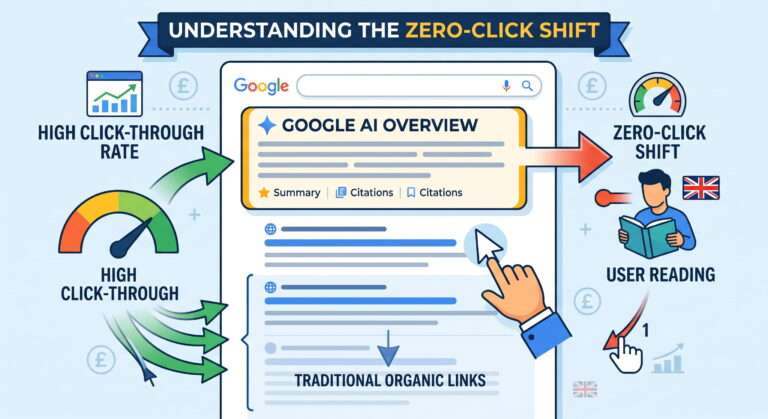
Instead of showing multiple websites, AI platforms generate one combined answer.
That answer might reference one business. Sometimes two. Occasionally none.
There is no second page.
There is no scrolling through results.
There is only the response.
And visibility now depends on whether your business appears inside it.
Why Many Businesses Are Losing Visibility Without Realising It
From the outside, everything may look normal.
- Your rankings still exist.
- Your traffic still appears stable.
- Your website still performs correctly.
But user behaviour has already shifted.
People increasingly trust AI-generated answers instead of browsing multiple websites. This means your business can still rank well and still be invisible when decisions are being made.
Modern visibility is no longer just about being found.
It is about being chosen.
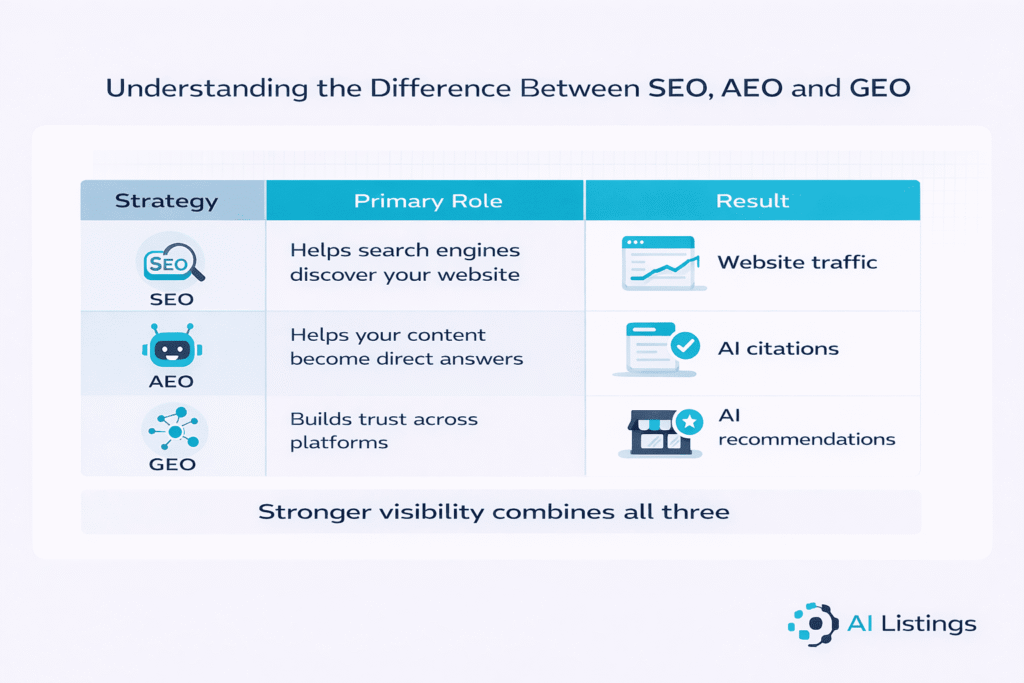
Understanding the Difference Between SEO, AEO and GEO
Modern search visibility depends on three connected strategies working together.
Each one solves a different part of the problem.
| Strategy | Primary Role | Result |
| SEO | Helps search engines discover your website | Website traffic |
| AEO | Helps your content become direct answers | AI citations |
| GEO | Builds trust across platforms | AI recommendations |
Businesses that combine all three gain stronger visibility across both search engines and AI platforms.
How AI Systems Decide Which Businesses to Recommend
AI platforms do not rank pages the same way traditional search engines do.
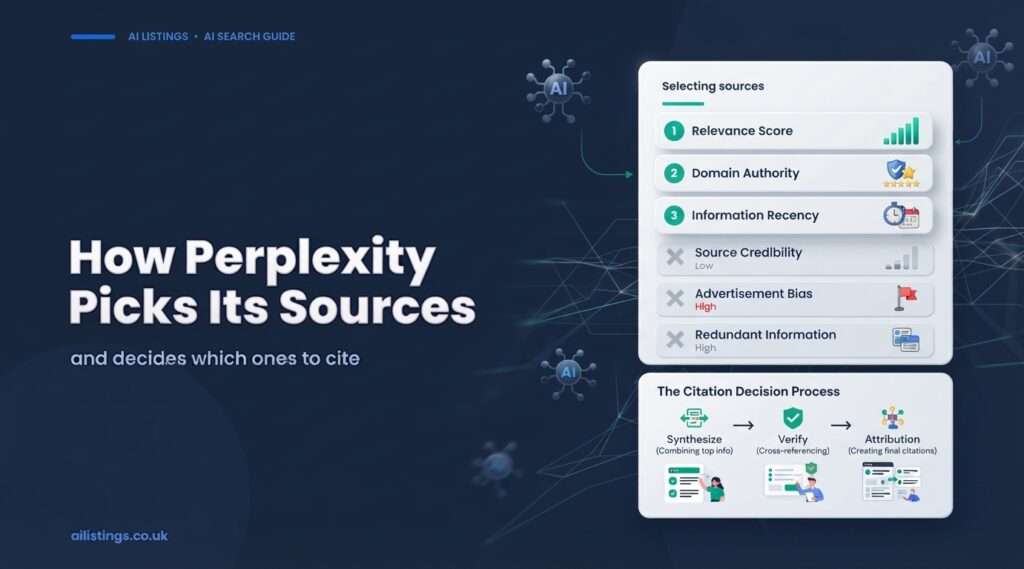
Instead, they analyse patterns across trusted information sources.
They evaluate:
- how clearly your content answers questions
- whether your brand appears across multiple platforms
- how consistent your messaging is online
- how deeply your business covers a specific topic
- whether your business has recognised entity signals
- whether local trust signals confirm legitimacy
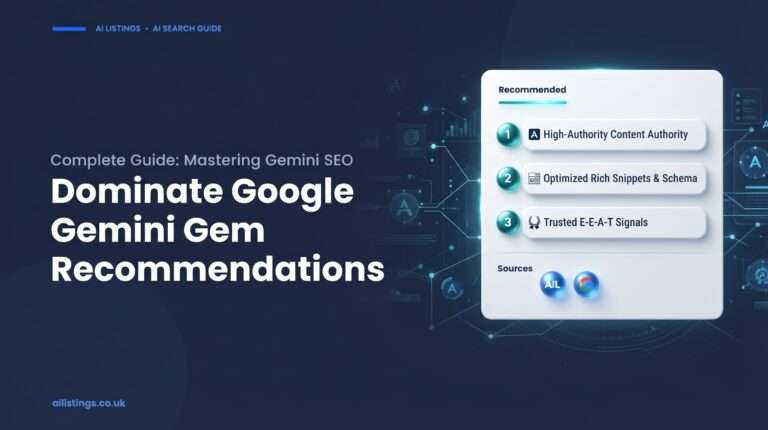
When these signals align, your business becomes easier for AI systems to recommend.
Keywords vs Answers: The Biggest Shift in Modern Search
Traditional SEO rewarded keyword targeting.
Modern AI visibility rewards clarity.
Instead of writing long keyword-focused pages, businesses now benefit from publishing structured content that answers real questions directly.
Strong AI-ready content:
- answers the question early
- uses clear headings
- keeps paragraphs short
- removes unnecessary complexity
- supports topic depth
This structure makes your content easier for both users and AI systems to understand.
Backlinks vs Trust Signals: Authority Works Differently Now
Backlinks still matter.
But they are no longer the only indicator of authority.
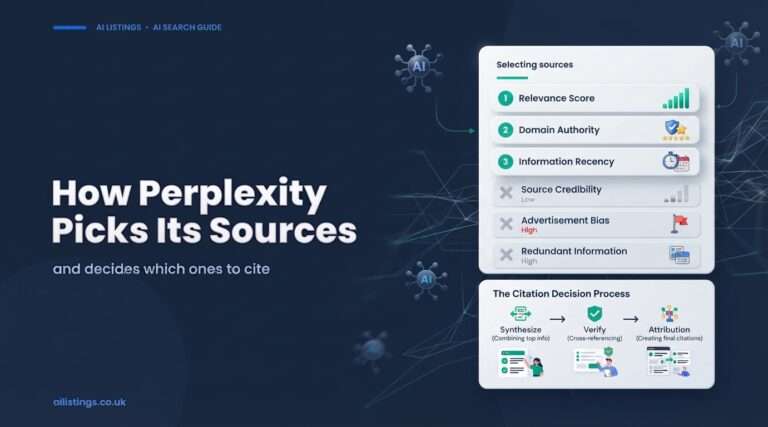
AI systems evaluate credibility by looking at how consistently your business appears across trusted sources.
These signals include:
- directory listings
- industry platforms
- business profiles
- structured citations
- knowledge panel alignment
- brand mentions
- service consistency across platforms
This cross-platform visibility forms the foundation of Generative Engine Optimization.
Clicks vs Citations: The New Visibility Metric
Traditional SEO measured success using clicks.
AI search measures success using citations.
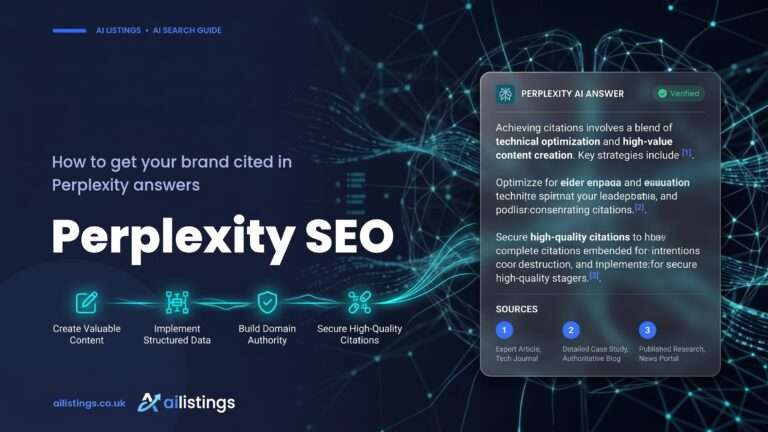
Being referenced inside an AI-generated response builds stronger trust than simply appearing in a list of links.
When your business is cited as part of an answer, users see your brand as a trusted source immediately.
That changes how customers choose service providers.
Why Content Structure Matters More Than Content Volume
Many businesses believe publishing more content automatically improves visibility.
In AI search environments, structure matters more than quantity.
High-performing AI-ready content:
- defines topics clearly
- answers questions directly
- uses structured headings
- supports entity recognition
- builds topical authority
- remains easy to scan
This approach forms the foundation of Answer Engine Optimization.
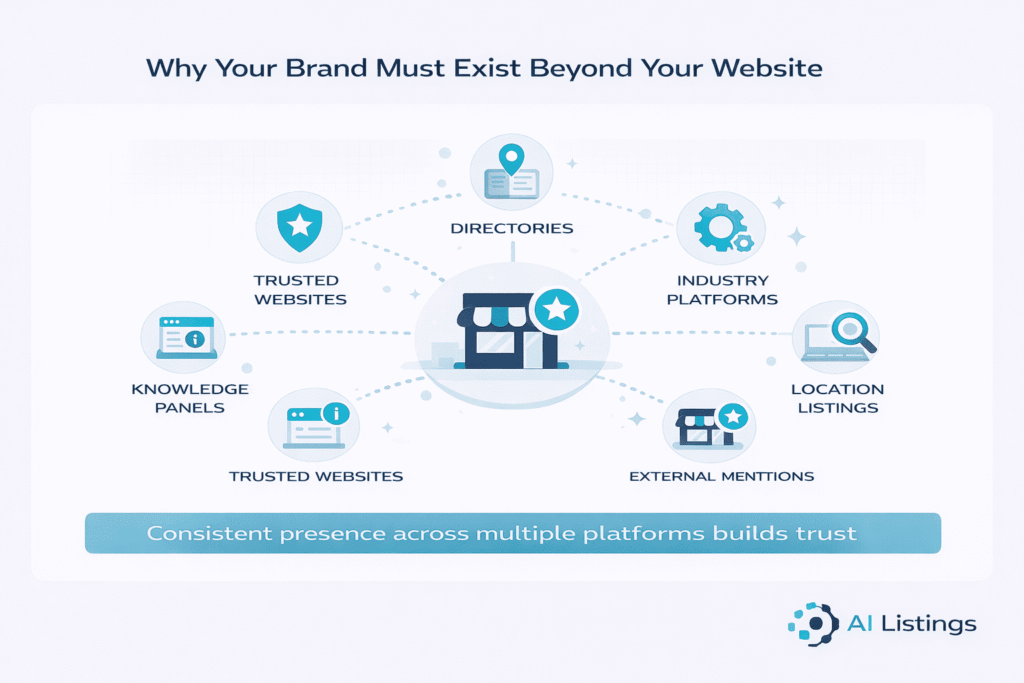
Why Your Brand Must Exist Beyond Your Website
Your website alone cannot build strong AI visibility.
AI systems confirm credibility by comparing multiple sources across the internet.
They evaluate whether your business appears consistently across:
- directories
- industry platforms
- location listings
- trusted websites
- knowledge panels
- external mentions
If your brand exists only on your website, it appears weaker.
If it appears consistently across platforms, it becomes more trustworthy.
This is the role of Generative Engine Optimization.
How Local SEO Strengthens AI Visibility Signals
Local trust signals play an important role in modern AI discovery systems.
For service-based businesses especially, platforms rely on geographic confirmation signals such as:
- Google Business Profile optimisation
- consistent name address and phone number information
- local directory presence
- location-specific service pages
- regional content relevance
These signals help AI platforms confirm legitimacy and service coverage within a specific area.
This improves recommendation confidence.
Entity Recognition Is Now the Foundation of Visibility
Search engines ranked pages.
AI systems recognise entities.
An entity is a clearly defined business that appears consistently across trusted sources with structured identity signals.
Strong entity signals include:
- consistent business naming
- clear service positioning
- structured schema markup
- directory alignment
- topic-focused content
- verified Google Business Profile presence
When your entity signals are strong, AI platforms can connect your business with relevant topics more confidently.
That increases your chances of being recommended.
How AI Models Actually Understand Information
Traditional search engines match keywords.
AI systems interpret meaning.
Instead of asking whether a page contains the right keywords, modern AI platforms evaluate whether the content explains a topic clearly and whether the source appears credible.
This means businesses must optimise for understanding rather than keyword matching alone.
Clarity now wins over complexity.
Why Traditional SEO Still Matters
SEO remains the foundation of online visibility.
Without technical optimisation, structured content, and keyword alignment, search engines struggle to understand your website properly.
However, SEO alone no longer delivers full discovery coverage.
Modern visibility requires a combined strategy including:
- technical SEO
- Answer Engine Optimization
- Generative Engine Optimization
- entity alignment
- local trust signals
- cross-platform brand consistency
Together, these create a stronger visibility system across search engines and AI platforms.
How Businesses Can Start Becoming the Answer Today
Improving AI visibility does not require rebuilding your entire website.
Start with practical improvements:
- add structured answers to service pages
- publish topic-focused content clusters
- optimise your Google Business Profile
- align directory listings
- improve readability across your website
- maintain consistent messaging across platforms
These steps significantly increase recommendation readiness.
The Future of Search Belongs to Businesses That Are Recognised, Not Just Ranked
Search is no longer only about appearing in results.
It is about appearing inside answers.
Businesses that adapt early gain a major advantage because they become part of the information users trust most.
That is the difference between being found and being chosen.
AI Listings helps businesses strengthen their visibility across search engines and AI platforms using structured SEO, AEO and GEO strategies designed for modern discovery systems where recommendations matter more than rankings.