
For more than twenty-five years, businesses grew online by ranking in search engines.
- Someone searched.
- Search engines returned links.
- Users clicked websites.
- Businesses captured enquiries.
That model shaped digital marketing for an entire generation.
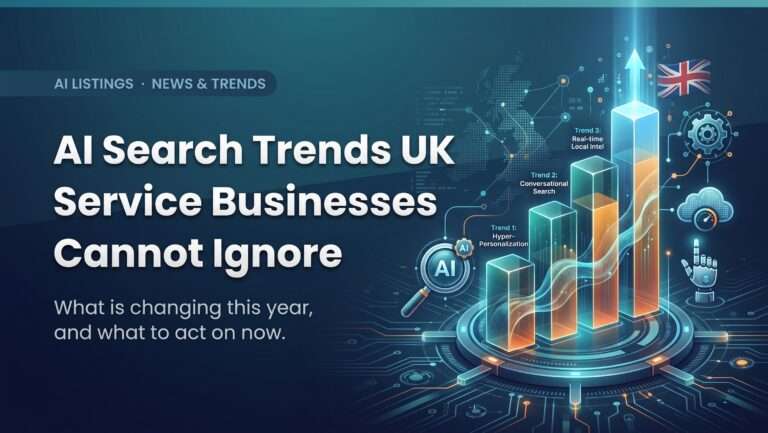
Today it is changing.
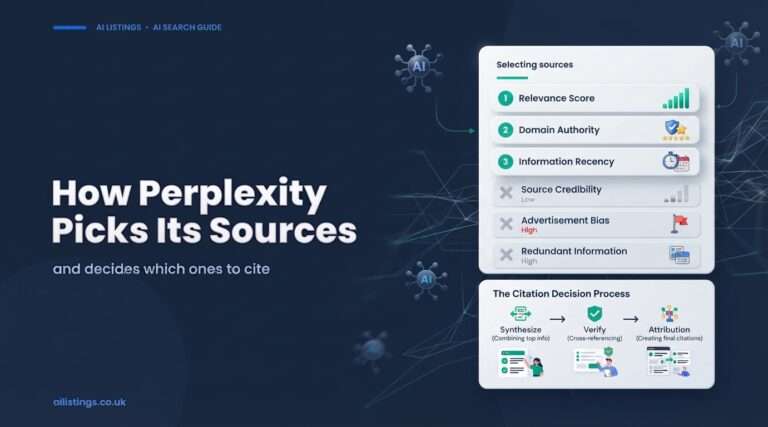
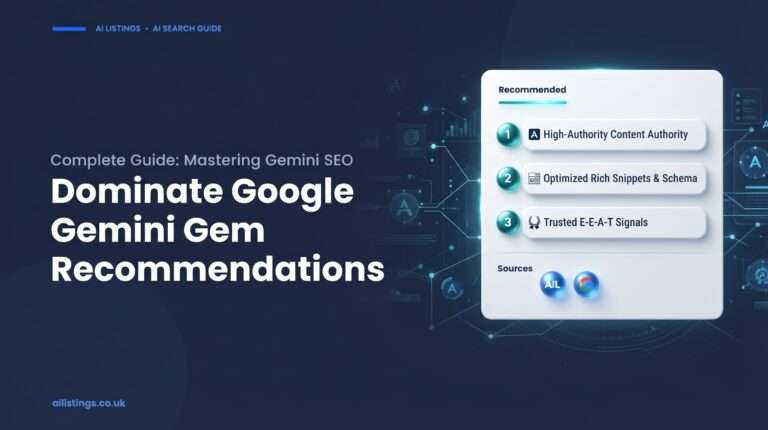
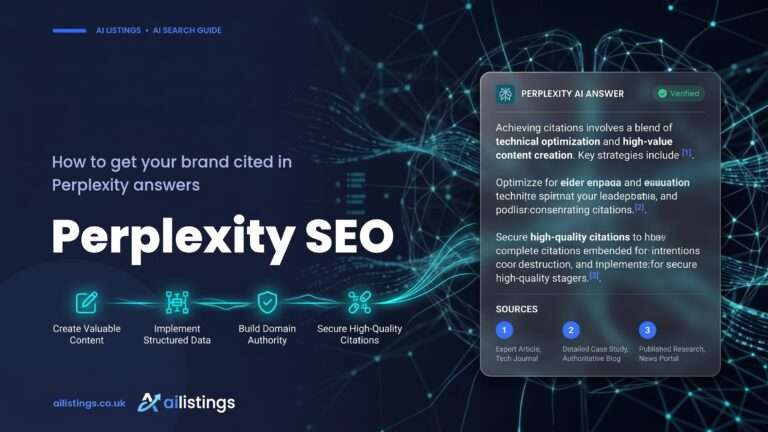
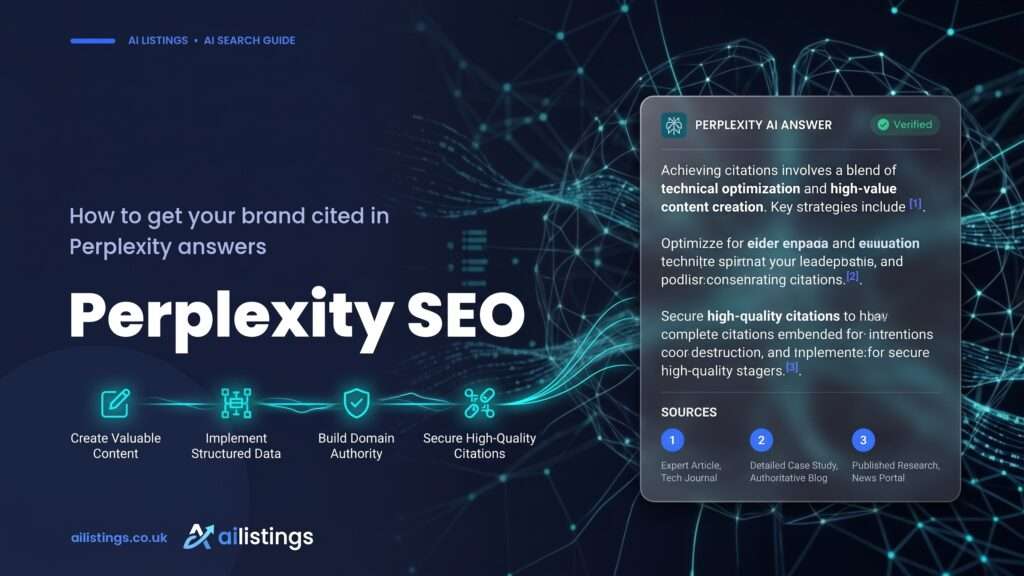
AI systems like ChatGPT, Gemini and Perplexity are becoming the primary interface between customers and the internet. Instead of browsing pages, people ask questions and receive direct answers.
This shift is redefining how businesses are discovered.
The Old Internet Model Was Built Around Rankings
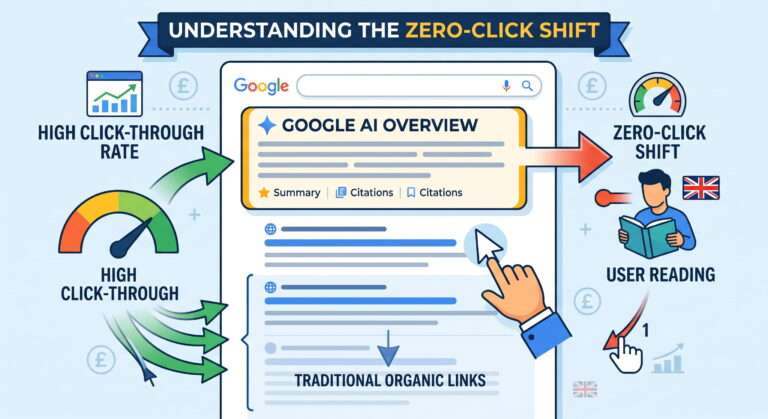
The traditional discovery journey followed a predictable path:
- person searches
- Google returns links
- user clicks several websites
- user compares options
Marketing success depended on one goal:
rank higher and capture clicks
Entire industries formed around this model, including SEO services, PPC campaigns and large-scale content publishing strategies designed to win position on page one of search results.
For years, ranking meant visibility.
Today ranking alone is no longer enough.
The New Internet Model Is Built Around AI Answers
Modern discovery increasingly follows a different path:
- person asks AI
- AI reads the web
- AI generates a response
- user trusts the answer
Instead of reviewing ten websites, users now receive one structured explanation based on multiple sources.
Platforms such as:
- ChatGPT
- Claude
- Perplexity
- Google Gemini
are becoming research assistants, analysts and decision filters at the same time.
That changes how visibility works.
AI Has Become the Decision Layer Between Customers and Businesses
AI systems now perform tasks that customers previously handled themselves.
They:
- collect information
- compare providers
- evaluate credibility
- recommend solutions
In many cases, customers never visit multiple websites anymore.
If AI does not recognise your business as credible, it does not recommend it.
And if it does not recommend it, customers never see it.
This is the new discovery reality.
The Biggest Shift: AI Reads Websites Before Humans Do
Previously, websites were written primarily for people.
Today they are increasingly read by AI systems first.
AI platforms scan content across the web, interpret meaning and summarise results before presenting answers to users.
Your website now has two audiences:
- people
- AI systems
Increasingly, AI is the first audience that matters for discovery.
The Attention Economy Has Changed Completely
Digital competition used to revolve around one question:
who ranks highest on Google
Today the more important question is:
which businesses does AI understand and recommend
A company can rank well in search engines but still remain invisible inside AI-generated answers.
Another business with clearer structure and stronger authority signals can appear repeatedly inside AI responses even without dominating rankings.
This is one of the biggest structural changes in modern marketing.
Humans and AI Read the Web Differently
Traditional marketing content focused on persuasion.
AI systems focus on clarity.
People respond to:
- stories
- emotion
- design
- narrative
AI systems evaluate:
- clear information
- structured knowledge
- consistent facts
- trusted sources
Their goal is simple:
determine what information is reliable
Content that communicates clearly across multiple platforms becomes easier for AI systems to trust and recommend.
Websites Must Now Function as Both Marketing Pages and Knowledge Sources
Previously, websites focused mainly on conversion messaging.
Today they must also function as structured knowledge references.
Modern content should clearly explain:
- who your company is
- what services you provide
- where you operate
- who you help
- why your expertise matters
This helps AI systems understand your business identity.
Understanding leads to recommendation.
Recommendation leads to visibility.
The Four Signals That Build Visibility in the Age of AI Search
Modern AI discovery relies on four core signals.
Clear Entity Information
Your business must be easy to identify.
This includes:
- company name
- service list
- service locations
- industry focus
Clear identity improves recognition.
Structured Knowledge Content
AI systems prefer organised information.
Pages should include:
- defined services
- clear explanations
- logical headings
- question-based structure
This improves extractability.
Topical Authority
Businesses that publish deep coverage of their niche become trusted sources.
Authority grows through:
- service pages
- guides
- framework articles
- case studies
- knowledge resources
Depth builds credibility.
Consistency Across the Web
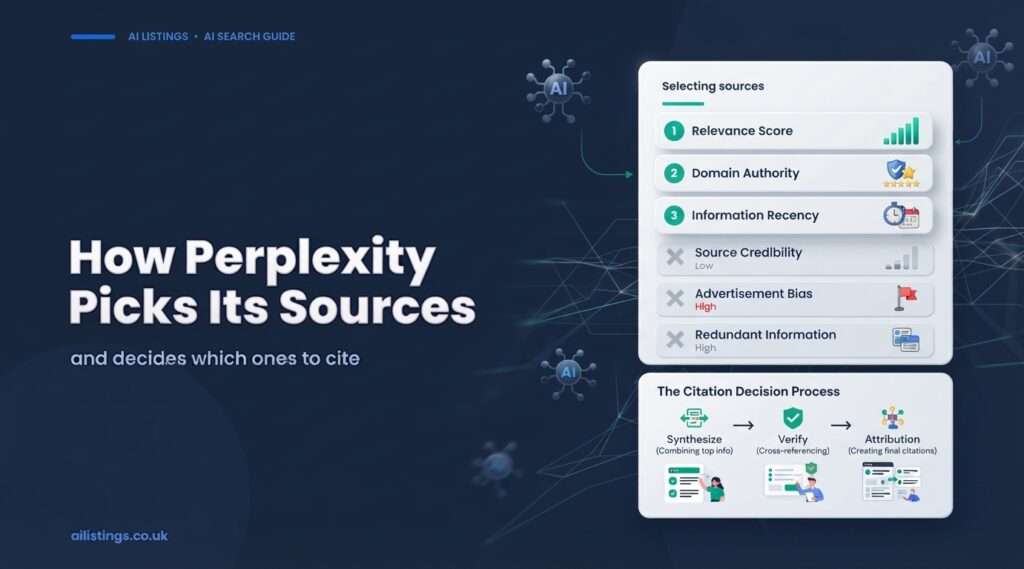
AI platforms compare multiple sources before recommending businesses.
Consistency across:
- directories
- reviews
- articles
- profiles
- citations
strengthens trust signals dramatically.
The Goal of Digital Visibility Has Changed
Previously the objective was simple:
rank higher and generate clicks
Now the objective is different:
ensure AI systems understand and recommend your business
This requires structured content, entity clarity and consistent positioning across platforms.
Businesses that achieve this appear naturally inside AI-generated answers when customers ask questions about their services.
The Future of Discovery Belongs to Structured Businesses
Search engines listed websites.
AI systems recommend answers.
Businesses that structure their content clearly become the sources those answers rely on.
Businesses that do not adapt risk becoming invisible in AI-driven discovery environments even if their traditional SEO performance remains strong.
The companies building structured knowledge signals today are positioning themselves as the trusted references AI platforms rely on tomorrow.
That is where modern visibility is heading.