
For years, SEO was mostly about rankings, keywords, backlinks, and trying to appear higher on Google search results.
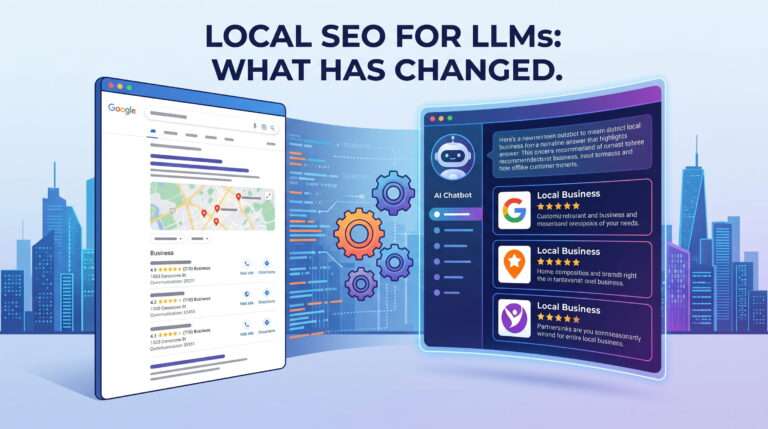
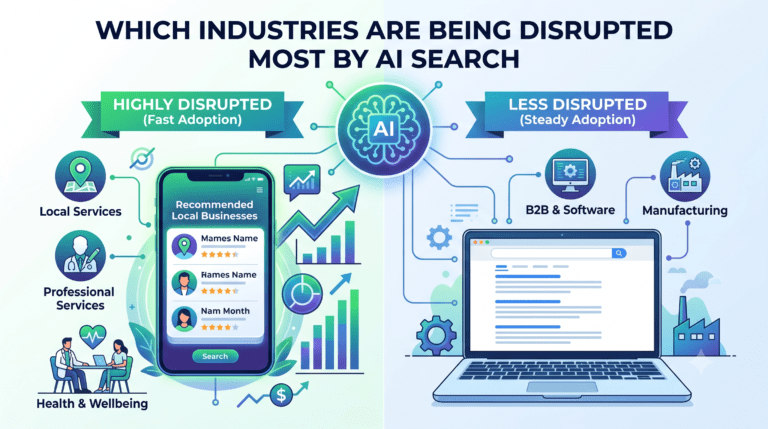
But in 2026, businesses are seeing a major shift in how people discover information online. More users are turning to AI tools like ChatGPT, Gemini, and Perplexity AI instead of browsing through pages of search results.
This has led many businesses to ask the same question: is traditional SEO dead?
The short answer is no. SEO is still important, but it is no longer enough on its own. Search behaviour is evolving, and businesses now need to optimise not just for search engines, but also for AI-generated answers and recommendation systems.
For UK businesses, the companies that adapt early to AI-driven visibility are likely to gain a major advantage over competitors still relying only on traditional ranking strategies.
Platforms like AI Listings help businesses strengthen their visibility across both traditional search and AI-powered discovery platforms.
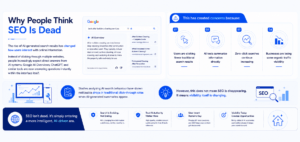
Why People Think SEO Is Dead
The rise of AI-generated search results has changed how users interact with online information.
Instead of clicking through multiple websites, people increasingly expect direct answers from AI systems. Google AI Overviews, ChatGPT, and similar tools are now answering questions instantly within the interface itself. Google AI Overviews Documentation
This has created concerns because:
-
- Users are clicking fewer traditional search results
-
- AI tools summarise information directly
-
- Zero-click searches continue increasing
-
- Businesses are losing some organic traffic visibility
Studies analysing AI search behaviour have shown noticeable drops in traditional click-through rates when AI-generated summaries appear.
However, this does not mean SEO is disappearing. It means visibility itself is changing.
SEO Is Not Dead — It Is Expanding
Most SEO experts now agree that SEO is evolving rather than dying.
Traditional SEO still matters because search engines continue driving enormous amounts of traffic. But businesses now need additional layers of optimisation focused on AI systems and answer-based discovery.
This includes:
| Visibility Type | Main Focus | Goal |
| Traditional SEO | Rankings and organic traffic | Website visibility |
| AEO (Answer Engine Optimisation) | Direct answers and snippets | Being selected as the answer |
| GEO / AI Visibility | AI-generated recommendations | Appearing in AI responses |
In practice, businesses increasingly need all three together.
Why AI Search Changes Everything
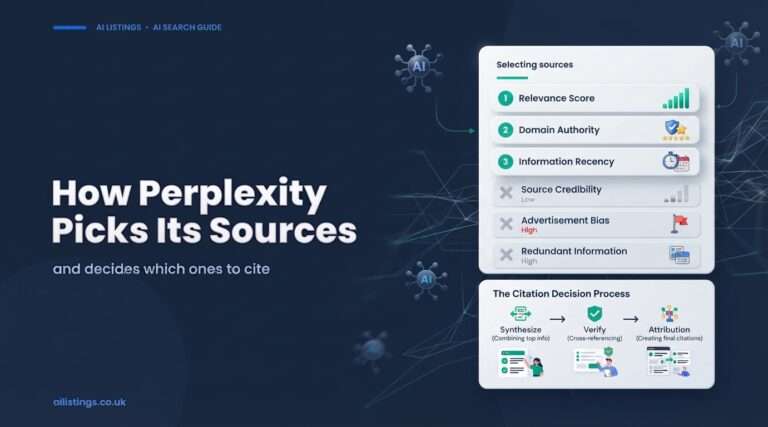
Traditional search engines ranked webpages. AI systems generate answers.
This changes the way visibility works online.
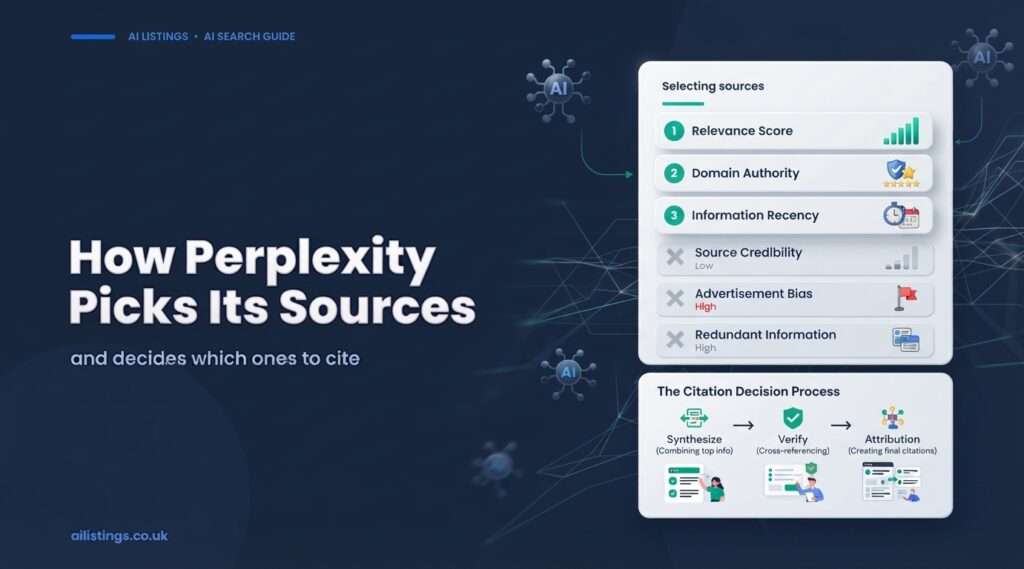
AI tools analyse information across multiple sources and decide which brands, businesses, and websites appear trustworthy enough to reference. Instead of simply ranking pages, they synthesise recommendations based on authority, consistency, and relevance.
This means businesses now compete for:
-
- AI citations and mentions
-
- Recommendation visibility
-
- Entity recognition
-
- Trust and authority signals
Businesses with stronger online authority are increasingly more likely to appear in AI-generated answers.
What UK Businesses Should Focus on in 2026
Businesses that want long-term online visibility should stop thinking only about rankings and start thinking about trust, authority, and discoverability across multiple platforms.
The most important priorities now include:
Clear, Structured Content
AI systems prefer content that is easy to understand and extract information from.
This means businesses should focus on:
-
- Clear headings matching user questions
-
- Short, readable paragraphs
-
- Direct answers before deeper explanations
-
- Structured formatting and FAQs
This approach improves both SEO and AI visibility simultaneously.
Building Topical Authority
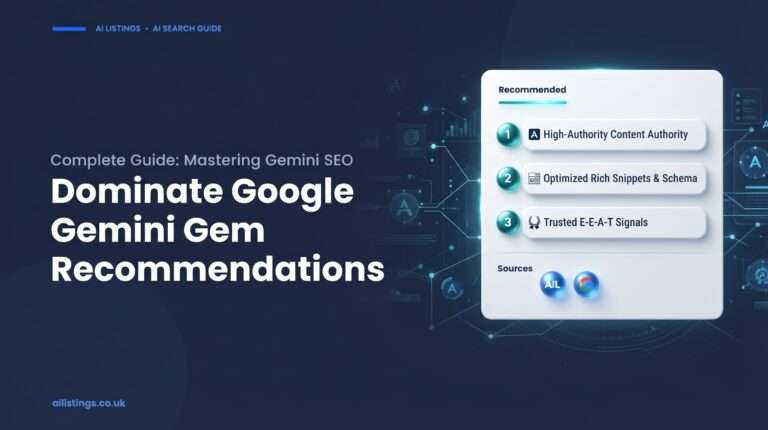
Businesses that specialise clearly in one area are easier for AI systems to trust and recommend.
Topical authority is built through:
-
- Consistent niche-focused content
-
- Educational blog articles
-
- Supporting FAQs and guides
-
- Strong internal linking and expertise signals
AI systems increasingly favour businesses that appear deeply knowledgeable within a specific topic area.
Consistent Brand Signals Across the Web
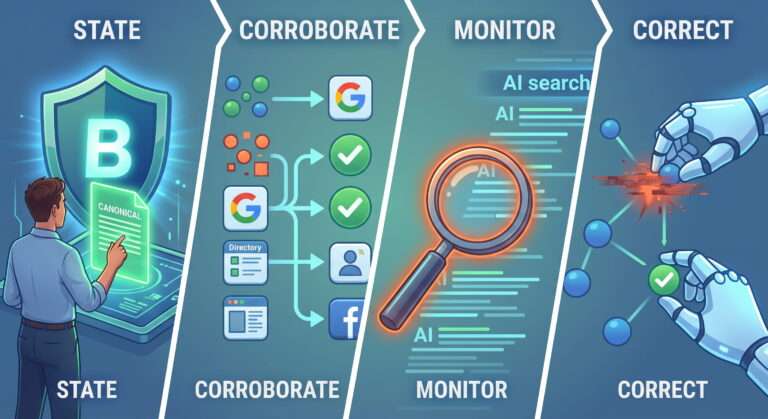
AI systems validate businesses by analysing multiple online sources.
Strong businesses maintain consistency in:
-
- Brand name and messaging
-
- Service descriptions
-
- Contact details and business information
-
- Online mentions across directories and websites
This consistency helps AI systems confidently identify and recommend the business.
Businesses working with AI Listings often improve visibility by strengthening these trust signals across multiple platforms.
Why Backlinks Alone Are No Longer Enough
Backlinks still matter, but AI visibility relies on broader authority signals.
Modern AI systems increasingly evaluate:
-
- Third-party mentions
-
- Brand reputation
-
- Reviews and trust indicators
-
- Semantic relevance across platforms
Research into Generative Engine Optimisation suggests AI systems favour entities with strong “algorithmic trust” signals rather than relying purely on keyword matching or backlink quantity.
This is why broader digital presence now matters more than ever.
The Rise of AI Visibility and GEO
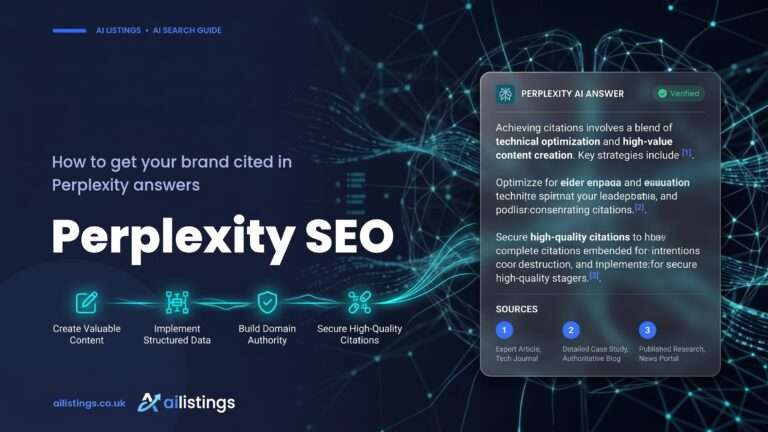
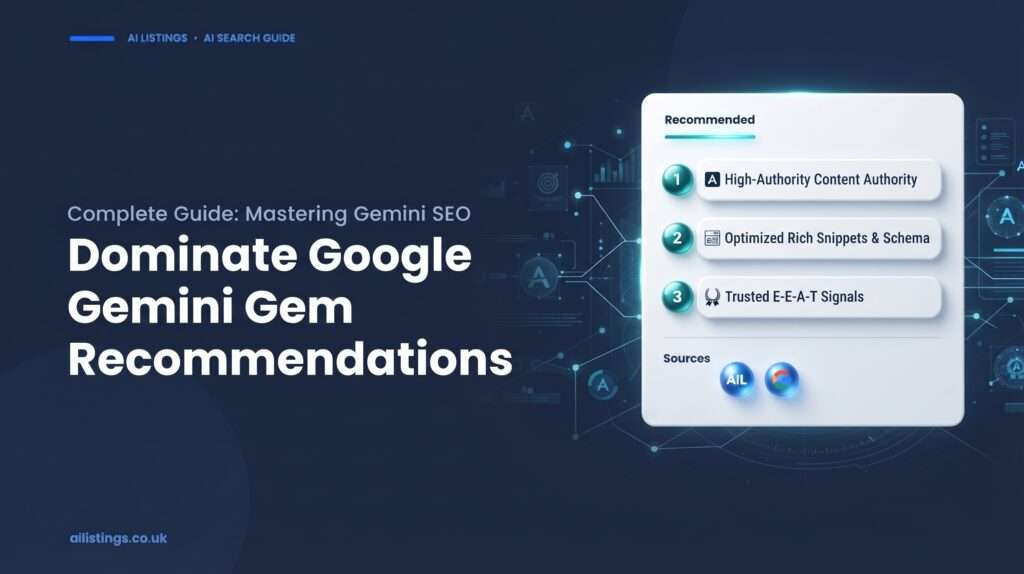
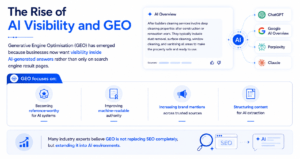
Generative Engine Optimisation (GEO) has emerged because businesses now want visibility inside AI-generated answers rather than only on search engine result pages.
GEO focuses on:
-
- Becoming reference-worthy for AI systems
-
- Improving machine-readable authority
-
- Increasing brand mentions across trusted sources
-
- Structuring content for AI extraction
Many industry experts believe GEO is not replacing SEO completely, but extending it into AI environments.
What Businesses Should Stop Doing
Some traditional SEO practices are becoming less effective in AI-driven search environments.
Businesses should move away from:
-
- Keyword stuffing
-
- Thin content designed only for rankings
-
- Over-optimised repetitive pages
-
- Low-quality AI-generated spam content
Google has already begun targeting manipulative AI visibility tactics and “recommendation poisoning” practices within AI search systems.
Modern visibility depends far more on quality, trust, and authority.
The Future of Search in the UK
Search is not disappearing. It is becoming more conversational, AI-driven, and trust-focused.
Research shows AI search traffic continues growing rapidly while traditional search behaviour changes gradually rather than collapsing completely.
For UK businesses, this means the future belongs to companies that:
-
- Build strong authority signals
-
- Optimise for both search and AI systems
-
- Create trustworthy and structured content
-
- Strengthen online presence across multiple channels
Businesses that adapt now will likely gain long-term visibility advantages as AI search adoption increases.
Conclusion
Traditional SEO is not dead in 2026, but it is no longer enough on its own.
Search visibility is evolving beyond rankings into a broader system driven by authority, trust, AI citations, and answer-based discovery.
Businesses now need to combine SEO, Answer Engine Optimisation, and AI visibility strategies to remain competitive online.
For UK businesses, the goal is no longer just ranking higher on Google. It is becoming a trusted entity that both search engines and AI systems confidently recognise and recommend.
Frequently Asked Questions
Is SEO still important in 2026?
Yes. SEO still drives significant traffic, but businesses now also need AI visibility strategies.
What is AEO?
Answer Engine Optimisation focuses on helping content appear in direct answers and AI-generated responses.
What is GEO?
Generative Engine Optimisation focuses on improving visibility within AI-generated search results and recommendations.
Why are AI tools affecting SEO?
Because users increasingly ask AI systems directly instead of clicking through traditional search results.
What should UK businesses focus on now?
Businesses should prioritise authority, structured content, AI visibility, and consistent trust signals across the web.